
Is London Safe to Visit? 2026 Guide From A Local
Worried about how safe London really is? You’re not alone—especially if you’re visiting solo or for the first time. With headlines about crime, pickpocketing, and protests, it’s easy to feel nervous before you even land at Heathrow.
I’ve lived in London for most of my life, but when I moved to a different part of the city on my own, even my brother was worried. He thought I should pick a “safer” area based on what he’d heard. But after more than a decade living in a part of London that doesn’t have the best reputation, I can honestly say I’ve rarely felt unsafe. Even when walking home alone at night.
London can feel overwhelming, but it’s also busy, well-lit, and filled with people at almost all hours, especially in tourist-friendly areas. In this post, I’ll break down what’s actually worth worrying about—and what isn’t—so you can feel more confident exploring the city on your own terms.
This post is part of my London Travel Hub, where you’ll find all my itineraries, tips, and recommendations.
🇬🇧 Want more advice and tips for exploring Britain? I’ve gathered all my UK travel posts in one place.
What About the recent protests?
You might have seen headlines about protests or unrest in London since 2024. While these events did happen, they were isolated and didn’t affect most areas tourists typically visit.
Like any major city, London occasionally sees demonstrations, but they’re usually peaceful and well-managed by local authorities. As a visitor, it’s unlikely you’d even notice unless you happened to be nearby.

Crime in London
Like all major cities, London is susceptible to crime, however, it is still ranked as one of the world’s safest cities. The Economist Safe Cities Index 2021 ranks London as the 15th safest city in the world.
Another metric is the Berkshire Hathaway Safest Cities report – this focuses on popular cities for Americans to visit, and ranks London as the 8th safest city.
Like any major city, London has its share of crime – but it’s not the constant danger some headlines make it out to be. Most crime here is non-violent and opportunistic, like pickpocketing or phone snatching, especially in crowded areas.
The most likely form of crime that tourists may encounter is pickpocketing. You should always keep an eye on your belongings and avoid obvious displays of carrying valuables or large amounts of cash.
Another crime which has the potential to affect tourists is thieves on mopeds snatching phones from people while using them – the idea being that your phone will still be unlocked so they can access your data. Keep your phone hidden, and try not to use it when walking around.
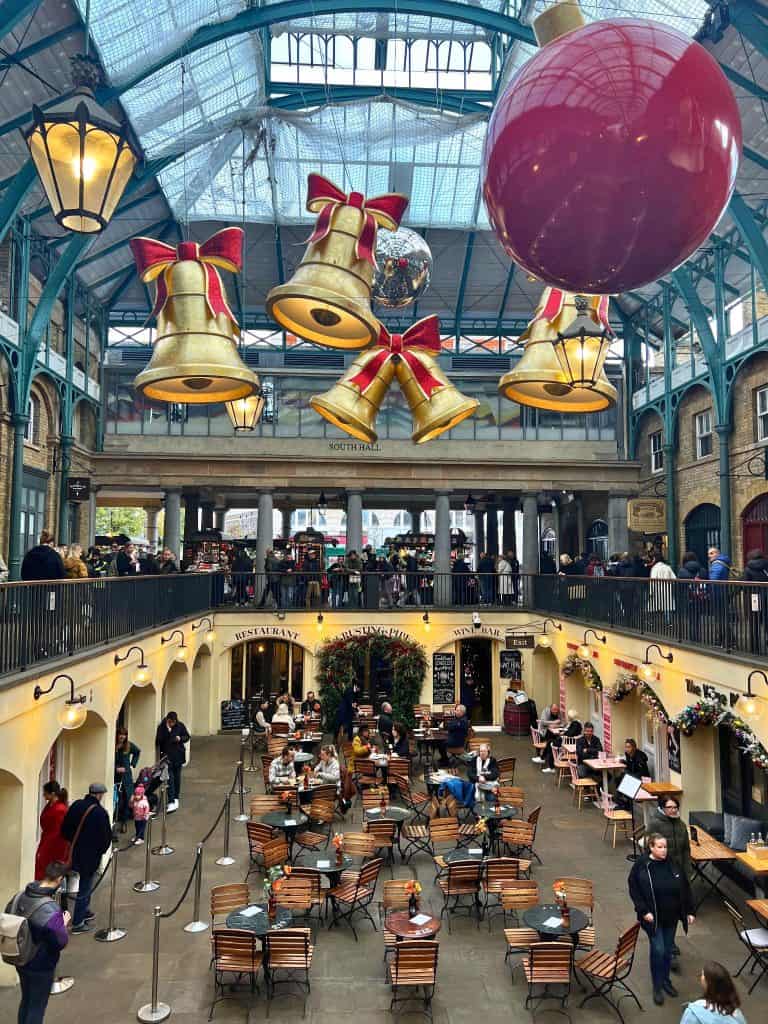
This is no different than any other tourist destination and you should simply exercise the same caution as in any other large city, especially when you are near landmarks such as Covent Garden Market and major train stations such as Kings Cross and Victoria.
From someone who’s lived in London for years, I can tell you that violent crime is rare and usually not targeted at tourists. London is a city of almost 9 million people, the vast majority of whom live and work every day in safety.
What About Knife Crime in London?
“Knife crime” is something you’ll often hear about when people talk about London safety, and it’s understandable that the phrase alone can be unsettling.
But here’s the context: while knife-related incidents do happen, they are overwhelmingly connected to specific groups and areas, and they rarely involve tourists or random passersby. It’s also worth noting that even though the knife crime stats are often cited, the per capita rate is still lower in the UK than the USA.
As someone who’s lived here for most of my life, I’ve never personally witnessed or been close to an incident. Most Londoners haven’t. These crimes tend to occur late at night and in areas far from the city’s tourist hotspots.
If you stick to well-lit areas, avoid wandering around unfamiliar neighborhoods at 2 a.m., and use the same common sense you would in any big city, the chances of being affected by knife crime are incredibly low.
Gun crime is also far less common than in cities in the US, as there are strict rules on gun possession across the UK. Following the mass shooting at a school in Dunblane in 1996, handguns are effectively outlawed.
Only police officers with specialist training carry guns – around 4-5% of total police officers. Gun crime is simply not a significant enough issue to require police to carry guns routinely.

Police In London
If you are walking around the city you’ll likely see police officers patrolling various areas – in police cars, on foot, and occasionally even on horseback!
Police visibility is an important way of discouraging crime and anti-social behaviour, so don’t be alarmed by police officers walking around.
You’ll likely see armed police outside places like Buckingham Palace but the majority of police officers aren’t armed.
Is Public Transport Safe in London?
Yes—London’s public transport system is safe and widely used by locals at all hours. As someone who’s taken the Tube literally thousands of times in my life, I’ve never once felt unsafe. And I’m not just talking daytime commutes—I’ve travelled solo at night, in rush hour crowds, and on nearly every line across the city.
Like any big city, you’ll occasionally come across an oddball. I once watched a man—fully clothed—suddenly start dancing around one of the poles on the Victoria Line during my morning commute. Bizarre? Yes. Dangerous? Not at all.
You might see people moving between carriages asking for money, but they’re rarely aggressive and tend to move on quickly. Most passengers keep to themselves, headphones in, just getting where they need to go.
If you’re used to public transit, you’ll feel right at home. And even if it’s new to you, the London Underground is well-lit, regularly patrolled, and has clear signage.
What About Buses, Taxis, and Walking?
London buses (day or night) are well-lit and have CCTV, and drivers are trained to help if anything ever feels off. Like the Tube, they’re part of everyday life for millions of Londoners.
If you’re out late, night buses are a reliable option once the Tube shuts down. I’ve taken them countless times after gigs or dinners, and while they can feel a bit rowdier – think groups chatting loudly after a night out – I’ve never had an issue. Stick to the lower deck if you feel more comfortable, and try to sit near the driver or other passengers if you’re solo.
If you’d rather skip public transport late at night, black cabs and Uber-style pre-booked services are both safe options. Black cabs are licensed and trustworthy, but avoid hopping into any unmarked taxis unless you’ve booked them through a legitimate company.
Walking around the city is also generally safe, especially during the day. London is incredibly walkable, and strolling between neighborhoods or hopping on a bus is a great way to experience the city’s character and architecture.

Is London Safe At Night?
Yes. London is a 24/7 city, so it’s still pretty safe in the evenings. That said, like in any big city, it’s still smart to stay aware of your surroundings, stick to well-lit streets, and avoid cutting through parks or alleys at night if you’re solo. Trust your instincts—if a street feels off, take the long way around or hop in a cab.
I’ve lived in a few different parts of London, and have spent plenty of time walking around at night. Whether I was in central London or quieter residential streets, I’ve rarely come across an area that felt completely deserted or unsafe. One of the benefits of such a densely populated city is that there are almost always people around – especially in the evening.
Public transport is also generally safe at night. I would recommend that you sit nearer the driver on buses at night, or at least on the lower level if it is a double-decker bus. You should also avoid empty tube carriages at night and choose ones with several people in them.
If you are looking for evening activities, I have a guide to things to do in London at night.

What Happens If I Need Medical Care in London?
If you need medical attention while visiting London, you’ll be in good hands. The UK’s National Health Service (NHS) provides affordable, high-quality care.
For minor issues, most pharmacies (called chemists here) are your best first stop. Pharmacists can give advice and recommend over-the-counter treatments, and they’ll tell you if you need to see a doctor.
If you’re unsure what level of care you need, you can call 111, the NHS’s non-emergency number. It’s available 24/7 and connects you to trained staff who can guide you to the right service – whether that’s a pharmacy, walk-in clinic, or hospital.
For anything more serious but not life-threatening, urgent treatment centres (also known as walk-in clinics) are available across London. I’ve personally used them twice: once after stupidly slamming a heavy industrial security gate into the back of my foot (I went in for an x-ray to rule out a break once it became very painful to walk).
The second time was when my face swelled up dramatically a few days after having a wisdom tooth removed. I was in a meeting when I noticed the swelling, and by the end of the day my whole face shape had changed!
I couldn’t get in to see my GP, but the urgent care clinic gave me an x-ray and antibiotics on the spot. I had to wait for an hour or so on both occasions as I was understandably a lower priority than other patients, but the wait wasn’t too bad and overall the experience was pretty good.
If you need a doctor but don’t want to wait, you can also book a private GP appointment, often same-day, for around £70–£100.
In an emergency, call 999 for an ambulance or go straight to the nearest A&E (Accident & Emergency) department. Ambulances and emergency care are free, but they should only be used for true emergencies—so critical resources are available for those who really need them.
One last tip: make sure you have travel insurance. Even if your credit card offers “free” insurance, it’s often less comprehensive than you think. I have epilepsy, which isn’t covered by my card’s insurance, so I always get a specialist policy when I travel.
Check the fine print, and if something does happen, contact your insurer right away to make sure your treatment is covered.

Should I Worry About Terrorism in London?
Terrorism is something that often comes up when people talk about safety in big cities, and London is no exception. There have been incidents in the past, but they are extremely rare – and they’re not something I personally worry about.
The Global Terrorism Index ranks countries rather than cities, and the UK is currently rated as safer than the USA, France, Germany, Thailand and many other popular tourist destinations. The current threat level across the UK is ‘substantial’ but don’t let that scare you.
The reality is that London has a strong and visible security presence, especially in major transport hubs and tourist areas. Police patrol regularly, and security protocols are well-established. Most locals (myself included) go about our daily lives without giving it much thought.
If terrorism is something that makes you anxious, you’re not alone – but try to keep it in perspective. The risk is incredibly low, and it’s unlikely to affect your trip. Stay aware, follow local guidance if needed, and focus on enjoying your visit.

Is London Tap Water Safe To Drink?
Yes, the tap water is safe. This question often comes up as our water can taste strange to visitors. The London water supply is ‘hard’ meaning it has higher levels of calcium and magnesium compounds. This doesn’t affect the safety of the water, just the taste.
Personally, I barely notice it – it just tastes like water to me. If you’re not a fan of the taste, a refillable bottle with a built-in filter can help.
Kitchen taps are connected to the public water supply system. In the UK this is usually called the ‘mains water supply’ which is completely safe to drink from. It’s common for people to ask for tap water in restaurants, which will come from a mains supply tap and be safe to drinks.
You may occasionally come across a tap with a sign specifically saying it is not drinking water, but that will be because the water from that tap comes from a tank rather than the mains supply.
Do I Need to Worry About Natural Disasters in London?
Honestly? Not really. London isn’t known for natural disasters, and in all my decades of living here, I’ve never personally experienced anything serious.
Once, I did get caught out by unusually heavy rain that caused some flooding – it shut down a major road I usually take to get home from my parents’ house. But even then, it wasn’t a crisis. I just rerouted and ended up spending a few hours at my brother’s place while traffic cleared on alternative routes home.
Things like earthquakes, hurricanes, or extreme weather events are incredibly rare in London. If anything, you’ll mostly just need to pack for unpredictable weather – rain, wind, the occasional heatwave – but not natural disasters.

Is London Safe For Solo Female Tourists?
London is generally a safe place for solo female travellers. Of course, you should take normal precautions such as not leaving your drink unattended, not taking unlicensed taxis and not accepting drinks from strangers.
London is a busy city and even late at night main streets will have a fair number of people walking or driving them. Unfortunately, we live in a world where it is unwise for women to walk through isolated areas late at night, but London is no different to any other city.
Stick to public transport and well-lit, busy areas and you should be just fine. London is a great city for solo visitors with plenty of things to do alone.
From personal experience, living in London for most of my life, I have walked around different parts of the city at various times of day and night without any safety problems.
Is London Safe For Minority Groups?
As a white, straight woman, I’m not part of some of the groups that may face discrimination or harassment, so I can’t speak from direct personal experience. But from what I’ve observed – and from conversations with friends who are part of those groups – London is generally seen as a welcoming and diverse city.
It’s a multicultural place where people of all races, religions, genders, and sexual orientations live, work, and travel openly. Public attitudes tend to be accepting, especially in central London and more liberal parts of the UK.
That said, like in any large city, individual experiences can vary. While discrimination or hate crimes are not the norm, they unfortunately can happen.
There are many clubs, bars and events that cater for the LGBTQ+ community, so there are plenty of places to go that are very safe.
By and large, most Londoners are tolerant and welcoming, and as a tourist you should feel safe in this diverse city.

Can I Carry Something For Self-Defence?
No, possession of weapons is illegal and can carry severe penalties. Pepper spray is banned under Firearms Act 1968 – possession of pepper spray is treated as a firearms offence.
You cannot carry knives for self-defence either – some types of knives are banned outright, and even legal ones can only be carried if you have a lawful reason, such as having a small pocketknife with you on a camping trip.
The only thing you can have with you is a personal alarm – but the city is safe enough that you are unlikely to need one.

Does London Have No Go Areas?
London is a very diverse city, and a few prominent people have made claims that certain parts of the city are no-go areas.
This is not true. There are no particular areas that are unsafe for tourists to go. Some areas do have higher crime rates, but that doesn’t make them unsafe for visitors.
These ‘no go’ claims are often rooted in racism, and refer to areas with more diverse populations. I lived in Newham for many years – the city’s most diverse borough. That does not make it an unsafe area.
There are certainly no areas that the police won’t go to, as those scaremongers would have you believe.
Common Scams
London isn’t a hotspot for scams, but like any major city, there are a few things to watch for – mostly petty and opportunistic, not elaborate or dangerous.
The most common are things like:
- Pickpocketing in busy areas like Oxford Street, Camden Market, or on the Tube – especially when it’s crowded. Keep your bag zipped and don’t keep your phone in your back pocket.
- Fake charity collectors or petition scammers who try to get you to sign something and then ask for money (or use it as a distraction for pickpocketing).
- Contactless card “skimming” with card readers in close quarters – rare, but using a RFID-blocking wallet can add peace of mind.
- People claiming to have lost their wallet/need money for a train fare. You’ll hear the same story again and again in different places.
I’ve never been scammed personally, but I’ve seen a few of these in action – especially the clipboard petitions near tourist spots. A firm “no, thanks” and walking on usually does the trick (or just ignore them entirely).
The good news? Most of these scams are easy to spot if you’re paying attention. You don’t need to be on edge – just stay aware, especially in crowds, and trust your instincts.
Emergency Contacts
In a life-threatening emergency, dial 999 to be put through to the police, ambulance or fire service.
If you need medical assistance but it isn’t immediately life-threatening, call 111.
To contact the police in a non-emergency, dial 101.

London Safety Tips
Most of these tips apply to pretty much anywhere, but it’s always good to have a reminder.
- Don’t carry lots of cash. A lot of places only accept card payments since the pandemic anyway. You won’t need cash very often, so only carry a small amount. I would recommend a multicurrency card from a company like Wise when travelling abroad.
- Don’t wear clothing with a city or country name on it – it’s an obvious tourist giveaway.
- The UK drives on the left-hand side – make sure you are checking the correct way before crossing roads.
- Check your surroundings before using cash machines, and if possible use machines inside a bank.
- Plan your route in advance, and try to stay off your phone while walking.
- Keep an eye on your drinks at bars and pubs – if you have to leave them alone for any reason, order a new drink and get rid of the old one.
- Keep a hand on your bag, especially in tourist areas where pickpockets are more likely.
- When using public transport at night, stay near the driver on a bus or in a busier carriage on the tube.
- Use a cross-body bag rather than a shoulder bag.
- Don’t hang your bag from the back of your chair, keep it in front of you so you can see if anyone gets near it.
So, Is London Safe?
Yes – it really is. Like any big city, London has its quirks, but for the vast majority of visitors, it’s a safe and welcoming place to explore. After living here for most of my life (including many years solo in “less desirable” areas), I’ve found that a little common sense goes a long way.
And most importantly? You can feel confident navigating this city – on your own terms.
If you have questions about travelling around the UK, join my free Facebook group to get the answers!
Ready to keep planning your London adventure? Check out these helpful next reads:
- Is London Worth Visiting?
- Solo Female Travel in London
- Where To Stay In London
- 24 Hours in London
- 5 Day London Itinerary


