
The Worst Time to Visit London (And When to Go Instead)
London always has something going on; it’s one of the things I love about living here. But that doesn’t mean it’s always a good time to visit. Between the soggy depths of winter, the shoulder-to-shoulder summer crowds, and the odd month where half the city seems to shut down, timing your trip well makes a massive difference.
As a Londoner, I’ve seen this city in every mood — trudging through drizzle on the commute, strolling the South Bank on quiet January mornings, dodging tour groups in July. I even play tourist myself now and then, just to see what all the fuss is about. And over time, a few patterns have become painfully obvious.
So if you’re planning a trip and hoping to avoid the worst time to visit London – be it closures, crowds, or sky-high prices – here’s when to steer clear (and when it’s actually worth it).


So, When Is The Worst Time To Visit?
If I had to pick just one stretch to avoid, it’d be late July through August. It’s peak tourist season – not just for international visitors, but for Brits on school holidays too. The city doesn’t just feel busier; it is busier. Queues stretch out the door, ticket slots vanish days in advance, and hotel prices seem to think you’ve won the lottery.
Even as a local, I tend to steer clear of central London during this time. Museums – normally my go-to on a quiet day – just aren’t worth the hassle. I’ve had afternoons where I thought about heading into the city, only to remember the August crowds and opt for a walk in my local park instead. The Tube doesn’t help either; it’s already stuffy in summer, and the crush of extra passengers makes it downright unbearable.
Now, a close second? Late January through February. The festive sparkle is gone, daylight’s in short supply, and the weather usually hovers somewhere between damp and miserable.
I still head into town now and then, especially for museums or exhibitions, but wandering the city – the best way to enjoy London’s architecture and atmosphere – isn’t nearly as appealing when there’s a good chance you’ll get rained on halfway through.
That said, I want to be clear: tourists are always welcome. I love that people come to experience London. But some times of year will show the city at its best – and others, frankly, won’t.

When London’s Weather Is at Its Worst
July to August
London heat doesn’t sound bad on paper—28 to 30°C isn’t exactly tropical. But it’s a humid, sticky sort of heat that clings to you, and the city isn’t built to handle it.
During the 2022 heatwave, I happened to be in America (lucky timing), but I still found myself explaining to people that our buildings are designed to keep heat in—not out. Air conditioning isn’t standard in homes, cafés, or most older buildings. Hotels and museums usually have it, but don’t expect the blast of cool air you might get in the US; it’s often a gentler hum than full relief.
Then there’s the Tube. Picture standing shoulder-to-shoulder on the Central line, no breeze, no personal space, just body heat and regret. I actively avoid it in August unless absolutely necessary.
If you’re planning to walk between sights or enjoy long afternoons exploring, this isn’t the weather for it. At least the days are long—so if you must visit, you’ve got time to pace yourself.

December to February
It’s no shock that winter is cold, but London tends to skip the magical bit. We rarely get snow, and when we do, it’s more grey slush than fairy-tale flurry. The Met Office might declare a “white Christmas” if a single snowflake falls somewhere in the UK – but that doesn’t mean you’ll see it.
What you will get is a consistent chill. It’s not usually below freezing, but it’ lingers—cold without charm’s still pretty cold. A warm coat and gloves will keep you going, but if you hate the cold, these months won’t do you any favours.
The daylight doesn’t help either. By the time you’ve finished breakfast and figured out the bus system, the sun’s already thinking about setting. Sightseeing hours are short, and the constant cloud cover doesn’t exactly lift the mood.
That said, it’s not all bad – December’s got its Christmas sparkle, and January sales can be tempting. But February? No lights, no buzz, and often just wet. It’s the month I’d least recommend for wandering the streets.

When London Gets It Right: The Best Weather Months
If you want a version of London that’s comfortable to walk, not unbearably crowded, and mostly dry, aim for May, June, or September. These months usually have mild temperatures, longer days, and fewer of the weather extremes that make other times a bit of a slog.
This is when I tend to spend more time outdoors—especially in Regent’s Park. The weather’s generally decent for walking around London without overheating, and the summer crowds haven’t fully taken over. It’s a good time to get the most out of London on foot, which is really the best way to see it.
September can be especially good. It’s often still warm enough for outdoor plans but with fewer tourists and a more relaxed feel around the city. Even the Tube is a bit more bearable.
March and April are hit or miss. You’ll likely get some rain, but there are often a few clear days mixed in. As ever, the best approach is to pack for a bit of everything and adjust as you go.

London Prices: When It’ll Cost You Most
London’s not cheap, and there’s no getting around that. Hotel prices tend to be highest in July and August, and even more so around Christmas and New Year. If you’re looking to save, January and February are usually your best bet.
That said, there’s a decent range of hotels across the city – if you book early, you can usually find something that fits your budget.
I’d recommend looking a bit outside the centre. You’ll often get better value for money and London’s public transport makes it easy to get around. Personally, I’d rather pay a few extra pounds for the Tube than splash out on a cramped room in Soho or Covent Garden.
Flight prices follow the same general pattern – summer is expensive. Christmas can be steep too, depending on when you book. If you’ve got flexibility, flying in the shoulder seasons (spring and early autumn) can make a real difference.

Crowds
Worst Times for Crowds in London
The peak for crowds is July through August. Hotels, theatres, restaurants, museums—everything gets booked faster, and lines stretch far longer than usual. Places that are usually calm can feel chaotic, and if you’re not into packed spaces, it’s not the ideal time.
It’s still possible to have a good visit, but you’ll need to plan ahead—far ahead. I tend to avoid central London entirely during these months unless I have a specific reason to go.
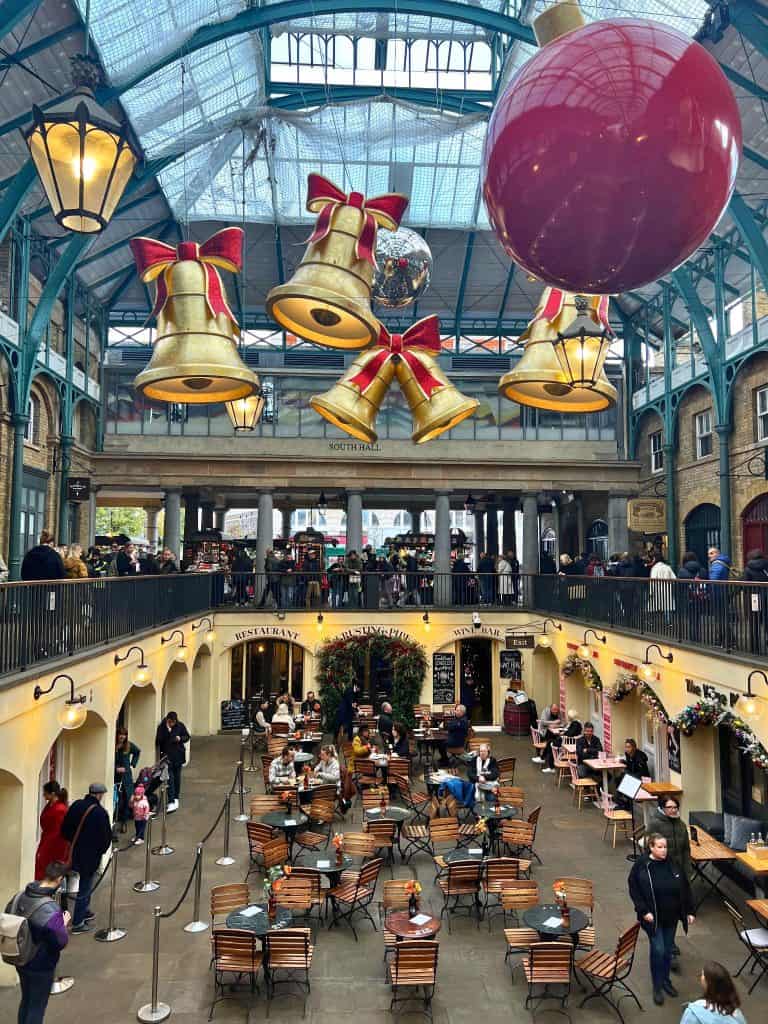
Crowds can also spike just before Christmas. Oxford Street on the Saturday before Christmas? Avoid it at all costs. (Actually, I’d skip Oxford Street on most Saturdays, but December is something else.)
Hyde Park’s Winter Wonderland brings in big crowds as well, though it’s festive and fun if you’re prepared for the busy atmosphere. Other spots—like museums or parks—tend to be more manageable during this time.
Best Months for Smaller Crowds
If you’re after a quieter London, aim for January through March, or October and November. These months are outside the main tourist windows, so you’ll have a bit more space at the major sights—and you’re less likely to need timed tickets or advance bookings.
The weather’s not exactly a selling point during these months (expect grey skies and the occasional drizzle), but if your priority is ticking off the city’s big-name attractions without weaving through crowds, it’s a solid trade-off.
Even in central areas, things feel calmer. You can walk along the South Bank without dodging tour groups every few metres, and museums are far easier to navigate at your own pace.

UK School Holidays: What to Know
The school year in the UK is split into three terms, each with a one-week half-term break in the middle.
The big summer holidays run from late July to early September. Exact dates vary a little depending on the region, but the differences aren’t huge.
Christmas and Easter each bring two-week breaks. Christmas is fixed; Easter moves around a bit more, so those dates change every year.
During any school holiday, London gets noticeably busier—especially at family-friendly attractions. If your plans include museums, galleries, or big-ticket sights, your best bet is to visit on weekdays during term time. You’ll have a much easier time booking things and less competition once you’re there.
Are Things Ever Closed?
London is very much a year-round city. Most major attractions and museums stay open throughout the year, with the exception of Christmas Day and New Year’s Day. A few smaller places may adjust their hours slightly in winter, but full closures are rare.
If you’re visiting outside peak times, it’s always worth checking ahead for special events or occasional maintenance closures—but in general, there’s no real “off season” here.
Tips for Visiting London in Summer
- Plan ahead. Make a list of the attractions you want to see and book tickets early – they do sell out.
- Check that your hotel has air conditioning. It’s not always standard, and a stuffy hotel room in August isn’t something you want to experience.
- Book your tickets for early morning or later in the day to avoid the worst of the crowds.
- Steer clear of the Tube during rush hour. That’s good advice any time, but in the summer heat, it becomes essential. Packed carriages and high temperatures don’t mix.

So, When Is the Best Time to Visit?
The best times to visit London are May, June and September. You’ll likely get a few rainy spells, but the weather’s generally comfortable for walking – and that’s the best way to see the city.
These months also avoid the worst of the crowds, since they fall within school term time. You’ll have better luck with ticket availability, shorter queues, and more breathing space overall.
If you want to experience the best of London – without overheating, overspending or queueing endlessly – these are the times I’d recommend.

When to Visit London: A Quick Recap
There’s never a truly bad time to visit London—but some months will definitely test your patience more than others. Hopefully this has helped you figure out what to expect, and how to make the most of your trip no matter when you come.
This post is part of my London Travel Hub, where you’ll find all my itineraries, tips, and recommendations.
If you’re still in the planning phase, you might find these helpful:
Is London Worth Visiting? – a local’s honest take
24 Hours in London – how to make the most of a quick visit
5 Days in London Itinerary – a detailed plan for a longer stay
London in January, February, March and December – what to expect in the winter months
Non-Touristy London Activities – when you want to go beyond the obvious
If you have questions about travelling around the UK, join my free Facebook group to get the answers!
🧳 Once you’ve seen London, there’s a whole country to explore — find more UK trip ideas right here.
