
South Island New Zealand Itinerary: 10 Days by Car
Planning a South Island road trip? You’re not alone – and if you’re anything like I was before my trip, you’ve probably got about 20 tabs open trying to figure out where to go, how long to spend in each place, and whether 10 days is even enough.
I’ve just come back from five weeks driving around the South Island, and while this 10-day South Island New Zealand itinerary is a condensed version of that trip, it’s based entirely on places I actually went, roads I actually drove, and things I actually did.
It’s designed for self-drive travellers and includes stops like Queenstown, Milford Sound, Wanaka, Aoraki / Mt Cook, Lake Tekapo and Christchurch.
I’ve also included travel tips based on my own experience – things I wish I’d known when planning, what I’d do differently, and where I found the best coffee on a long drive.


10-Day Route Summary
| Day | Destination | Driving Time | Key Activity |
| 1 | Queenstown | – | Arrival + light activity |
| 2 | Queenstown | – | Gondola, skydiving, wine |
| 3 | Te Anau | ~2 hrs | Scenic drive |
| 4 | Milford Sound | ~4 hrs return | Cruise day trip |
| 5 | Wanaka | ~4.5 hrs | Scenic Drive: Crown Range or Cromwell |
| 6 | Wanaka | – | Hike, relax |
| 7 | Mt Cook | ~2.5 hrs | Short hikes |
| 8 | Tekapo | ~1 hr | Stargazing |
| 9 | Christchurch | ~3 hrs | Market, drive |
| 10 | Christchurch | – | Morning activity + fly out |
💡 Planning a trip to New Zealand? Check out all my itineraries, tips, and travel guides here.
I’ve also collected all my South Island content in one place — visit the South Island New Zealand Hub.
10 Day South Island New Zealand Itinerary

Day 1: Arrive in Queenstown
What to do on arrival (if time allows):
Depending on when you land, you might want to ease into things or hit the ground running. If you’ve just come off a long-haul flight, a gentle walk along the lakefront is a good way to get your bearings – the views over Lake Wakatipu are a pretty nice introduction to the South Island.
If you’ve got more energy, you could fit in a short activity like a visit to the Queenstown Gardens, a ride on the gondola, or an early evening drink at Perky’s (the floating bar on the lake). Little Blackwood is another good option, they do amazing cocktails at reasonable prices.
Finally, get an ice cream from Patagonia Chocolate by the lake and watch the sunset.
Where to stay:
Queenstown has accommodation at all price points, but things can book up fast – especially in summer and ski season. I stayed close to the town centre, which made it easy to walk everywhere, but if you’re planning to relax and unwind, there are some great lakeside hotels just outside the main area.
I have a dedicated guide to Queenstown accommodation for more specific options.
Tip: It’s important to book your accommodation well in advance. The last time I was there was in summer, the peak season, and even booking a few months before meant that one or two of my favourite Queenstown options were already sold out.
Optional: First-night ideas
- Skyline gondola and luge rides
- Jetboating on the lake or Shotover River – good fun if you’re arriving early in the day
- Sunset walk along the Queenstown Trail
Tip: If you’re planning to do any weather-dependent activities like paragliding, a helicopter ride, or skydiving, try to fit them in as early as possible during your time in Queenstown – even on your arrival day if time allows. The weather can change quickly, and having flexibility gives you a better chance to reschedule if your original time gets cancelled.
What To Eat
- Dinner – Head to Finz for amazing seafood and great service.


Day 2: Queenstown Adventures
Things to do in Queenstown New Zealand
With only one full day in Queenstown, today’s all about picking your priorities. Some activities – like a wine tour, skydiving, or the TSS Earnslaw dinner cruise – will take up a good chunk of your day, so it’s worth deciding what kind of experience you want: laid-back and scenic, adrenaline-fuelled, or a mix of both.
You’ll likely fit in two or three things depending on timing, but don’t try to cram too much in – Queenstown is best enjoyed with a bit of breathing space.
If you have more than 10 days in the South Island, I recommend adding more time in Queenstown. I have a guide to Queenstown itinerary options for 2, 5, and 7 days that you might want to check out.
I have a full guide to the best things to do in Queenstown, but a few highlights are below.
- Wine tasting and local walks
If you’re in the mood for a slower day, a wine tour through Gibbston Valley is a great option. Most organised tours take around 4–5 hours, with hotel pick-up included.
Alternatively, if you’re driving, visit The Winery in the town centre. There are lots of wines you can try and you can completely customise your tasting options. For a local walk, the Queenstown Hill track offers sweeping views without taking up the whole day (around 2–3 hours return), while the lakeside trails like the Frankton Track are flat and relaxed. - Jetboat Ride
If you didn’t have time for this on your first day, try a jetboat ride on Day 2. I’ve done all of the Queenstown ones and my favourite is the Shotover Jet. It’s a great activity – 360° spins, splashes of water and giggles all around.
If you are really short on time but still want to try a jetboat, head to KJet. It’s in Queenstown itself so you don’t have to account for getting to a jetboat location further out of the town. - Skydiving in Queenstown
If you’re planning to skydive, book it for the morning if possible. I did the 9am jump and was glad I had the rest of the day free afterwards – the build-up, safety briefing and weather delays can make the whole experience longer than expected.
That said, it was one of the best things I did in New Zealand. The views over the lake and mountains from 15,000ft were unreal, and the instructors made it feel surprisingly calm and fun. - TSS Earnslaw Dinner Cruise
For a classic Queenstown experience, the TSS Earnslaw evening cruise to Walter Peak is a good way to wrap up the day. You’ll board a vintage steamship, cross Lake Wakatipu, and have dinner at the homestead restaurant – with time to wander the gardens or watch the sheepdogs in action.
It’s a relaxed way to see the lake and feels a bit special without being over the top. - Check out my full review of the TSS Earnslaw Dinner Cruise.
TIP: If you are visiting Queenstown in winter, consider the lunch TSS Earnslaw cruise rather than dinner. Part of the experience is the mountain and lake scenery, and you won’t see much of it in winter when it gets dark early.
And if you want to know what a Queenstown skydive is really like, check out the video of mine!
Where To Eat
- Breakfast – Vudu Cafe, but try and get there early as it can be hard to get a table from 10am
- Lunch – Grab a bagel at Balls and Bangles
- Dinner – At Walter Peak Station as part of the TSS Earnslaw Cruise. If you aren’t doing the cruise, try Boardwalk in the Steamer Wharf Building
Day 3: Queenstown to Te Anau
Morning in Queenstown (if you have time)
If you didn’t manage to ride the Skyline gondola and try the luge on Day 1, this morning’s a great time to fit it in before hitting the road. The views from the top of Bob’s Peak are well worth it, and the luge tracks are fun – even if you’re not usually into that kind of thing.
It doesn’t take too long, and it’s a nice way to end your time in Queenstown with one last look over the lake and mountains.

Car Pick Up
This is the day to pick up your car. The easiest option is to get a taxi or bus to the airport and collect from there. You don’t need a car on days that you are just spending in Queenstown. Parking is difficult and you’ll save money by collecting the car on Day 3 rather than Day 1.
Driving time + road notes
The drive from Queenstown to Te Anau takes around 2 hours without stops and is fairly straightforward. It’s sealed the whole way and passes through a mix of lakeside scenery, farmland, and lowland hills. You’ll want to fuel up in Queenstown before leaving, as options are limited until you reach Te Anau.
Optional stop: Devil’s Staircase viewpoint or Kingston
If you’re in no rush, there are a couple of good photo stops worth pulling over for. The Devil’s Staircase viewpoint has sweeping views across Lake Wakatipu and is a nice place to stretch your legs.
Kingston is a small lakeside town near the southern tip of the lake – not much there, but it’s a peaceful stop if you want a quick break before continuing on.
Afternoon Activity
If you have time when you arrive in Te Anau, take a tour of the glow worm caves. I recommend booking this a few days in advance.
Click here to reserve your glow worm cave tour from Te Anau.

Where to stay in Te Anau
Te Anau is compact and easy to get around, with most accommodation options close to the lake or within a short walk of the main street. I stayed just a couple of minutes from the town centre, which made it easy to grab dinner and head down to the lake in the evening.
There are motels, lodges, and Airbnbs depending on your budget – just keep in mind that things can book up quickly in peak season, especially with people coming through for Milford Sound.
Recommendation: ASURE Motel. Close to the town centre and walkable to the tour collection points.
What To Eat
- Breakfast – Marmolada in Queenstown
- Lunch – Odelay Cafe near Queenstown Airport. Pick up your car, head to Odelay and then across the road to New World supermarket for any snacks and drinks you need.
- Dinner – The Fat Duck in Te Anau (I recommend making a reservation a few days before)

Day 4: Milford Sound Day Trip
Drive yourself or take a coach-cruise
Today’s the big day – Milford Sound is one of the most iconic places in New Zealand, and it’s well worth the early start. I prefer to drive myself as the road is incredibly scenic, with plenty of places to stop along the way.
That said, if you’re not confident driving on the left or you’re visiting in winter, a coach-cruise is a better option. It takes the pressure off and lets you sit back and enjoy the views.
If you want to know more about how the seasons and weather affect Milford Sound, take a look at my guide to the best time to visit Milford Sound.
The drive from Te Anau to Milford Sound takes around 2–2.5 hours each way, but you’ll want to leave extra time for photo stops – especially at places like Mirror Lakes, the Eglinton Valley, and the Chasm.
The Homer Tunnel is one of the most well-known points on the drive and can have short queues, so plan for some flexibility in timing.

What to book in advance
Milford Sound cruises can fill up quickly, especially during summer or public holidays, so I recommend booking a few days ahead if you can. If you’re visiting in the shoulder or off-season, you can sometimes book the day before, but it depends on the weather and how many people are around.
Suggested cruise options
You don’t need to overthink the cruise company – most offer a similar experience and follow the same route, though some use larger boats and others are smaller and quieter.
✅ Secure your Milford Sound experience before it sells out →
Return to Te Anau
After the cruise, you’ll make the drive back to Te Anau. If you didn’t stop much on the way in, you’ll likely have more time on the return – just keep in mind that it’s a long day and the road is narrow in parts, so take your time. Most people are back in Te Anau by early evening.
Tip:
Make sure to fill up on fuel in Te Anau before you leave. There are no fuel stops at Milford Sound, and mobile reception is limited once you’re on the Milford Road – so download maps or directions in advance just in case.

Where To Eat
- Breakfast – Sandfly Cafe in Te Anau (there aren’t many cafe options, grab a coffee and a pastry to take with you).
- Lunch – You’ll be buying something on your tour.
- Dinner – Ditto in Te Anau for Asian bowls and bao buns

Prefer somewhere quieter? Try Doubtful Sound instead
If you like the idea of a remote fiord but would rather avoid the tour bus crowds, Doubtful Sound might be a better fit. It’s harder to reach – you’ll take a boat across Lake Manapōuri and then a bus over Wilmot Pass before even getting on the main cruise – but that’s part of what makes it feel more off the beaten track.
It’s also much bigger than Milford, and you’ll often go long stretches without seeing another boat. I’ve written a full post comparing Milford vs Doubtful Sound if you’re trying to decide between the two:
I’ve also reviewed my Doubtful Sound day trip experience.
If you’re staying in Te Anau, both are doable as day trips – just keep in mind that the Doubtful Sound tour usually takes a bit longer overall.
Day 5: Te Anau to Wanaka (via Queenstown or Cromwell)
Fuel tips and lunch options en route
This is a longer drive – around 4.5 to 5 hours depending on your route – so it’s worth getting an early start. Fill up with fuel in Te Anau before leaving, as prices can be higher or more limited in smaller towns along the way.
Queenstown is a good halfway point and makes a convenient stop for food, a coffee break, or a quick wander before continuing on.
If you’re after a proper lunch stop, Frankton (just outside Queenstown) has supermarkets, bakeries, and takeaway spots without the parking hassle of the town centre. Or you could plan a longer lunch break in Arrowtown if you didn’t visit on Day 2 – it’s only a short detour and has some great cafés and bakeries.

Crown Range Road option
If the weather’s clear and you’re confident with mountain roads, the Crown Range Road is a fun drive and one of the most scenic in the country. It’s steep and winding, but the views are worth it – especially from the lookout point near the top.
Also, make a quick stop at the Cardrona Hotel for some photos of this famous building.
Just be aware that in winter, or after heavy rain, this road can be icy or closed altogether. If conditions aren’t right, the safer route is through Cromwell, which is still a beautiful drive and only slightly longer.
Arrive in Wanaka, settle in
Wanaka has a different pace compared to Queenstown – a bit more laid-back, but still plenty to do. Once you arrive, check into your accommodation, go for a stroll along the lakefront, or just unwind with a drink and a view. If you’ve still got energy, it’s a great place to catch the sunset.
Where To Eat
- Breakfast – Head to the Sandfly Cafe for coffee and a quick breakfast
- Dinner – Lots of options! I like Tititea Steak House for the novelty of cooking my meat on a hot stone slab at my table. Arc and Sofi are also great options. Or try Big Fig if you didn’t get there for lunch.

Day 6: Wanaka
Things to do in Wanaka
Wanaka has a relaxed vibe, but still with lots of things to do. Perfect for unwinding or setting out on a mini-adventure. I have a full guide to Wanaka’s best activities, but here are a few highlights to consider, depending on your mood:
Start with breakfast and coffee
Kick off the day with a strong coffee at The Coffee Shop, followed by a crepe from Charlie Brown Crepes right next door.
Roy’s Peak or alternative hikes
If you’re feeling energetic, Roy’s Peak offers one of the most iconic hikes in New Zealand. It’s a steady climb of about 5–6 hours return, so set aside the better part of your day for it. Prefer something shorter? Try:
- Diamond Lake Pathway, a 1–2 hour loop with lovely lake and forest views
- Mount Iron Summit Track, a steadier 1–2 hour climb with panoramic rewards from the top

Lakefront walk & That Wanaka Tree
For a more relaxed afternoon, stroll along the lakefront and drop by That Wanaka Tree-the famously bent willow standing alone in the water.
Just bear in mind that depending on the lake’s water level, it might not looking exactly like the Instagram photos you might have seen!
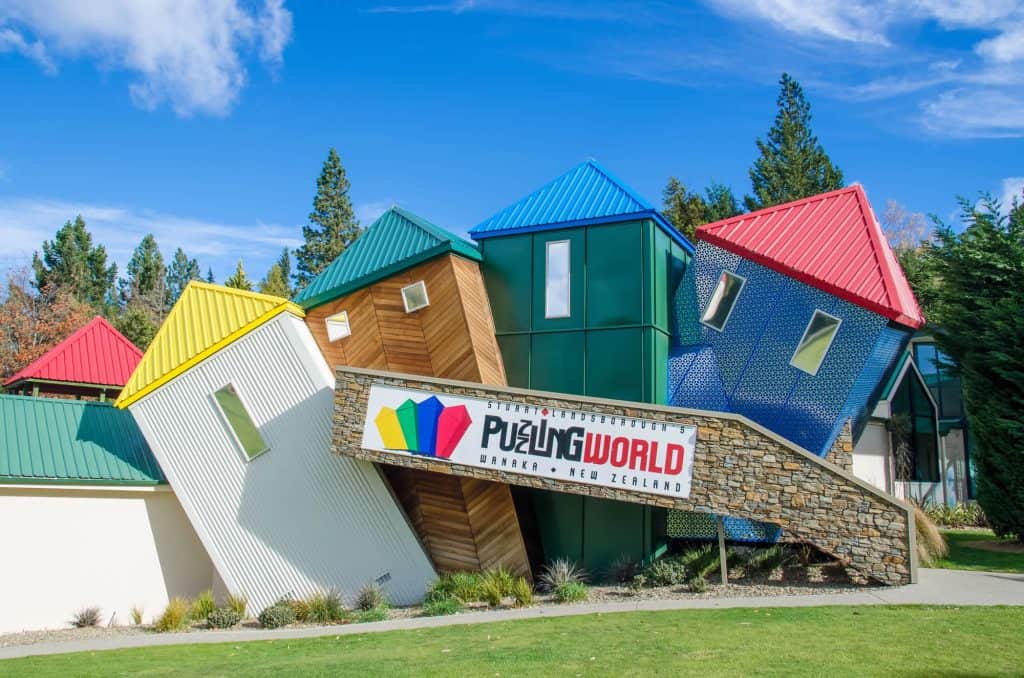
Puzzling World or the Lavender Farm
For something a little different:
- Puzzling World is a quirky venue with optical illusions, surreal rooms, and plenty of puzzles-perfect if you want a fun break from hiking
- Wanaka Lavender Farm is a scenic, gentle stop if you want an easy activity.

Optional: rest afternoon or evening drinks
If you’ve done a big hike or just want to sit back, treat yourself to an early dinner or a drink with a view. Wanaka has great lakeside patios-ideal for watching the sunset.
Where To Eat
- Breakfast – Coffee Shack and Charlie Brown’s.
- Lunch – Big Fig – you choose a bowl size and then a few different fillings. The offerings change each day, but there are a variety of hot and cold options to pick.
- Dinner – As per Day 5, Wanaka has lots of great options
Day 7: Wanaka to Aoraki / Mt Cook and then Lake Tekapo
Scenic drive via Lindis Pass and Twizel
Today’s drive takes you through some of the most dramatic inland scenery on the South Island. The Lindis Pass is a highlight-wide valleys, golden hills, and not much traffic. Just keep in mind it can be icy in winter, so check conditions if you’re visiting in the colder months.
Twizel is a good rest stop with fuel, toilets, and a couple of cafés before turning off towards Aoraki / Mt Cook.

Glacier lake walk, Tasman Glacier, or short DOC hikes
Once you reach the Mt Cook National Park, you’ve got time for a few short walks or lookouts. The Tasman Glacier viewpoint is an easy, mostly flat track with views over the lake and glacier terminal face. If you’re after something shorter and quieter, there are other Department of Conservation (DOC) trails nearby that offer views of the peaks without needing half a day.

The Hooker Valley Track is one of the most popular walks in the area, just make sure you arrive early to find somewhere to park. It gets full very quickly.
Alternative walks
- Red Tarns Track – a short but steep climb to a great viewpoint
- Governors Bush Track – a gentle loop through native forest
Drive to Tekapo and check in
After exploring the Aoraki Mt Cook area, drive on to Lake Tekapo – it takes about 1.5 hours. The road is sealed and easy to follow. Once you arrive, check in, grab dinner, and settle in for a quieter evening. If you’re lucky, the sky might be putting on a show.
Quick Tip: The amount of insects around Tekapo is ridiculous at night. If you are staying somewhere with a door that opens directly outside, keep it shut as much as possible and don’t open it when the lights are on!
Optional: Stargazing at Tekapo
Tekapo is part of the Aoraki Mackenzie International Dark Sky Reserve – one of the best places in the world for stargazing. If conditions are clear, tonight is a great chance to book a guided stargazing experience, either at Mount John Observatory or with a local tour operator.
Explore the universe above Tekapo — click here to book now!
Tip: Try to book your stargazing experience for tonight (Day 7) if you can. Cloud cover is common, and tours are weather dependent, so this gives you the option to try again on Day 8 if it’s cancelled.
Where To Eat
- Breakfast – Scroggin Coffee (or a second visit to Charlie Browns for a different crepe flavour!
- Lunch – This will depend on what time you set off. Make a quick stop in Twizel, or grab something at Mount Cook Village
- Dinner – I had japanese at Kohan Restaurant in Lake Tekapo, but it is extremely popular with people on bus tours, so book in advance. For something more casual grab some fish and chips from Better Batter. MacKenzies and Blue Lake are also good options.
Lake Tekapo’s restaurants can be a bit hit and miss, so I do recommend you book in advance for the best options.

Day 8: Tekapo
Start the day slowly
After a few full days of driving and hiking, Tekapo is a good place to slow things down. The town is small and easy to walk around, with plenty of spots to sit by the lake and just enjoy the view.
If you missed stargazing the night before, check with your tour operator this morning – there may be space available for tonight if the sky is clearer.
Things to do in Tekapo
- Relax at Tekapo Springs – The hot pools are open year-round and overlook the lake. You can book in advance, but outside of peak periods you can usually just walk in. There’s also a small ice rink in winter and an optional spa if you’re ready for a proper break.
- Visit the Church of the Good Shepherd – A quick stop but worth it for the photo and the peaceful setting. It gets busy, so go early or late if you want a quieter visit.
- Walk the Peninsula Track – A flat, easy walk with great views across the lake and towards the mountains. Allow 1.5–2 hours if doing the full circuit.
- Mount John Summit Drive or Walk – If you’re up for a bit more movement, you can drive or hike to the Mount John Observatory for panoramic views over Tekapo and the Mackenzie Basin.

Lunch and local spots
There are a few good cafés and bakeries in town. I’d suggest grabbing lunch at one of the lakefront spots – it’s a laid-back place and never feels too crowded once you’re a block or two from the main road.
Evening options
If the weather’s looking good and you didn’t get to stargaze on Day 7, this is your second chance. Otherwise, enjoy a quiet evening, catch the sunset from the lakefront, or treat yourself to a relaxed dinner and a proper night’s sleep before the final stretch of the trip.
Where To Eat
- Breakfast – I tend to grab a takeout coffee and pastry from Jack Rabbit.
- Lunch – this will depend on what you choose to do with your day.
- Dinner – as per day 7 recommendations

Day 9: Tekapo to Christchurch
Driving time: approx. 2 ½ – 3 hours
Today’s drive is straightforward, with sealed roads all the way. It’s not the most scenic part of the itinerary, but there are still a few good places to stop if you want to break up the journey. I’d recommend getting an early start so you have the afternoon free in Christchurch.
Optional stops on the drive
- Fairlie Bakehouse – A popular stop for coffee and pies. It can get busy, but it’s worth it.
- Geraldine – A small town with a few boutique shops and a nice place to stretch your legs.
- Rakaia Gorge Detour (adds time) – If you’re not in a rush, you can take a scenic detour via Rakaia Gorge, though it adds around an hour and a half to the trip.
Arrive in Christchurch
Once you reach Christchurch, you’ll notice it feels quite different from the other places on this route – more urban, but still very green and relaxed. The city has changed a lot in recent years, and there’s a real mix of old and new.
If you arrive by early afternoon, you’ll have time to check in, go for a walk, and see a few central highlights before dinner.
Things to do in the afternoon
- Christchurch Botanic Gardens – A lovely place for a walk or a sit-down under a tree
- Riverside Market – A good spot to pick up food, local crafts, or just wander through with a coffee
- Canterbury Museum – Currently operating as a pop-up while they move to a new location, but still worth a quick visit if you’re nearby
- Walk along the Avon River – Especially nice in the late afternoon light
Where to stay
Most visitors stay somewhere in or around the city centre. If you’re flying out the next day, staying closer to the airport is also an option – it’s about a 15-minute drive from the CBD. Christchurch accommodation is generally good value compared to Queenstown, and parking is often included.
On my recent visit I stayed at the Salerno Motel. It was slightly further from the city centre, but still walkable and with plenty of parking.

Where To Eat
- Breakfast – Another quick coffee from Jack Rabbit before you head off.
- Dinner – Check out a couple of stalls in the Riverside Market, or for a sit down dinner try Delilahor Midnight Shanghai

Day 10: Christchurch
How to spend your final morning
Depending on your flight time, you might only have a couple of hours today – but that’s still enough for a relaxed start or a quick look around the city if you didn’t get the chance yesterday. Christchurch is flat and easy to walk around, so even a short wander can be worthwhile.
Ideas for your last day
- Botanic Gardens – If you didn’t make it here yesterday, it’s a peaceful place to start the day
- New Regent Street – Grab a coffee, take a photo of the pastel-fronted shops, or just people-watch
- The Arts Centre – Good for a quick cultural fix with galleries and local shops
- International Antarctic Centre – this is next to the airport, so I recommend stopping for about 2 hours if you have time before your flight. I’ve been here several times, partly because I love Little Blue Penguins and they have a group that have been rescued and are being cared for by specialists.

Optional: Extend your trip or fly out
If you’re flying out today, it’s an easy 15-minute drive to the airport from the city centre. Allow time to return your rental car – especially during busy seasons when there can be queues at the drop-off area.
If you’re continuing your trip to the North Island or looping back elsewhere in the South Island, this could also be your transition point. Christchurch has regular domestic flights and coach routes, so it’s easy to go north, east, or back to Queenstown from here.
Where To Eat
- Breakfast – Christchurch has loads of great cafes for breakfast, I like Belle and Pilgrim, but there are plenty of choices if those ones aren’t convenient.

If You Have Extra Time
If you’ve got a few extra days to work with – or you’re planning a slightly longer trip – there are plenty of worthwhile places you can add to this route. These stops take you slightly off the main path but offer something different from the usual itinerary highlights. Here are a few options to consider:
- Franz Josef and the West Coast
From Wanaka, you could detour up the West Coast via Haast Pass and visit Franz Josef or Fox Glacier. This region feels wilder and more remote, with dense rainforest, quiet beaches, and glacier access points. Keep in mind the drives are longer and the roads can be affected by weather, so build in extra time if heading this way. - Dunedin and the Otago Peninsula
Dunedin has a strong student vibe, grand Victorian architecture, and good coffee. The Otago Peninsula is great for wildlife – especially albatross, seals, and yellow-eyed penguins. You could slot this in between Queenstown and Tekapo with a detour through Clyde or Alexandra. - Additional Time In Queenstown
I could easily spend 5 days in Queenstown without running out of things to do. If you have time for a longer trip I would add in a few extra days in Queenstown to try out some more activities. - Additional Time in Te Anau
On my last visit I had two full days in Te Anau – I visited Milford Sound on one day and Doubtful Sound the next. It was amazing to be able to do both rather than picking one. - Kaikōura (for whale watching)
Kaikōura is a good option if you’re heading north from Christchurch. It’s known for its whale watching tours, coastal walks, and seal colonies. The drive from Christchurch takes about 2.5 hours, and the town makes a great overnight stop if you’re continuing towards Picton or the North Island. - Oamaru (for penguins and architecture)
Oamaru is known for its well-preserved Victorian district, quirky steampunk touches, and a resident colony of Little Blue Penguins. It makes a good overnight stop between Tekapo and Dunedin or can be done as part of a longer loop.
→ Have a look at my recommendations of things to do in Oamaru (just be prepared for a lot of penguin talk)!

Practical Information And South Island Travel Tips
How Many Days Do You Need for the South Island?
Why 10 days works
Ten days is a solid amount of time for a self-drive trip around the South Island – long enough to cover major highlights like Queenstown, Milford Sound, Wanaka, Aoraki / Mt Cook, and Lake Tekapo without having to rush through them. You’ll get a mix of alpine scenery, lakes, scenic drives, and small towns, and still have time for a few walks, tours or more relaxed evenings.
What you’ll realistically cover
With 10 days, you can comfortably do a South Island road trip between Queenstown and Christchurch. You’ll have time for:
- A full day in Queenstown for activities or wine tasting
- A day trip to Milford Sound
- A scenic drive through Central Otago and Wanaka
- Hiking and short walks near Mt Cook
- Stargazing and hot pools in Tekapo
- A day to explore Christchurch at the end
This gives you a good balance between seeing well-known places and having time to enjoy them.
What you’d need to skip
Ten days doesn’t leave much room for detours to the West Coast (Franz Josef, Hokitika), Dunedin, or the upper South Island (Abel Tasman, Marlborough). You’ll also need to be selective with your activities – for example, you likely can’t fit both a full wine tour and a multi-hour hike into the same day.
This is a video I took of a helicopter ride from Franz Josef. It was incredible, but I think this is best to add if you have more time rather than in a 10 day route.
If you’re keen to see those extra regions or want more rest days built in, stretching the trip to 14 days makes a big difference. But if you’re short on time, a 10-day South Island New Zealand itinerary is still very achievable and incredibly rewarding.
Seasonal Information
Overview of seasons
The South Island has four distinct seasons, and the experience you’ll have varies quite a bit depending on when you visit. Summer (December to February) is the most popular time, with long daylight hours and warmer temperatures. Autumn (March to May) is more settled and less crowded, with beautiful colours in places like Arrowtown and Wanaka.
Winter (June to August) brings snow to the mountains and ski season to Queenstown and Wanaka, while spring (September to November) is quieter, with a mix of weather and fewer tourists.

Summer vs winter trade-offs
Summer is ideal for road trips, hiking, swimming in the lakes, and outdoor dining – but it’s also the busiest time, and accommodation can be more expensive or harder to book. Popular tracks like Roy’s Peak and the Hooker Valley can get crowded, especially in January.
Winter offers a completely different experience. You’ll see snow on the mountains, the towns feel cosier, and ski fields are open.
It’s a good time to visit if you like cooler weather or want to avoid the peak summer rush – but keep in mind that daylight hours are shorter, and some roads (like the Crown Range and Lindis Pass) may require chains or be temporarily closed due to ice or snow.
I wouldn’t be comfortable driving the Crown Range Road in the dark, especially the section just outside Queenstown with hairpin turns.
When activities and tours are closed or limited
- Some hiking tracks – like parts of the Hooker Valley Track – may close due to damage or weather. Always check DOC updates before you go.
- Scenic flights and adventure tours are more likely to be cancelled in poor weather, especially in winter.
- Stargazing tours in Tekapo run year-round, but visibility depends on cloud cover.
- Glacier access (especially heli-hikes) is weather-dependent and can be more limited outside of summer.
If you’re planning a specific activity – like skydiving, hiking a certain track, or visiting Milford Sound by road – it’s worth building in some flexibility where possible in case plans need to shift.
Self-Drive vs Coach or Flying
Benefits of hiring a car
If you’re comfortable driving, hiring a car is by far the best way to see the South Island. It gives you the freedom to stop at viewpoints, take detours, and explore smaller places that larger tours don’t always include.
Many of the highlights – like the Crown Range, Lindis Pass, or the road to Milford Sound – are just as much about the journey as the destination, and you’ll miss that flexibility if you’re tied to a schedule.
Having your own car also makes it easier to set your own pace. You can leave early to beat the crowds, stop for unexpected photo ops, or change plans if the weather shifts. If you’re travelling with others, it usually works out more cost-effective than flying or taking a coach – especially once you factor in airport transfers or tour costs.

My experience with other modes of travel
I’ve visited the South Island by coach, domestic flights, and self-drive – and while all of them work, driving yourself is the one I keep coming back to. Flying between Queenstown and Christchurch is quick, but you miss everything in between.
Coaches are comfortable and convenient if you don’t want to drive, but they often skip smaller towns and stick to fixed routes. For first-time visitors with limited time, self-driving gives you the best balance of freedom and accessibility.
A quick note on winter conditions
If you’re visiting in winter (June–August), be aware that some mountain passes – like the Crown Range and Lindis Pass – may be icy, snowy, or even closed temporarily. Rental companies usually provide snow chains in winter, and it’s worth checking you know how to use them.
Always check road conditions each morning before setting off, and allow extra time in case you need to take an alternative route.
South Island Road Conditions: What You Should Know
Mountain passes to be aware of
Some of the most scenic drives on the South Island also involve mountain passes – which can be stunning in summer and more challenging in winter. A few key routes to know:
- Lindis Pass – Connects Wanaka and Twizel. Open year-round but can be icy in winter.
- Crown Range Road – Between Queenstown and Wanaka. The highest sealed road in New Zealand, and very steep in parts. Best avoided in snow or icy conditions.
- Arthur’s Pass – Further north, between Christchurch and the West Coast. Not usually part of a 10-day itinerary, but worth knowing about if you’re extending your trip.
These roads are all sealed and suitable for normal vehicles in good weather, but they can be affected by snow, black ice, or high winds – especially in winter and early spring.
Check road alerts daily
New Zealand’s road conditions can change quickly. If you’re doing a self-drive trip, it’s worth checking for updates each morning before setting off.
The official NZTA website posts live updates on road closures, weather warnings, and delays:
Fuel and driving tips for overseas visitors
- Petrol stations are common around towns and cities, but less frequent in remote areas. Always top up before long drives – especially before heading to places like Milford Sound or Aoraki / Mt Cook. If you are visiting from America, you’ll find fuel is significantly more expensive than you are used to.
- Some international visitors have trouble with their credit cards at pay-at-pump style petrol stations. If possible, stick to ones that are staffed.
- New Zealanders drive on the left side of the road. Take it slow for the first day or two if you’re not used to it.
- Speed limits can feel low, but they’re there for a reason – rural roads are often narrow, winding, and shared with campervans, cyclists, and livestock.
- Be prepared to drive slower than Google Maps suggests. Distances might look short, but the roads can be slower than you expect.

What to Pack for the South Island
Packing for the South Island is all about layers. The weather can change quickly – even in summer – so it’s best to be prepared for a bit of everything. You might start the day in a t-shirt and need a fleece and rain jacket by the afternoon, especially in alpine areas like Aoraki / Mt Cook or Fiordland.
Here are a few essentials I’d recommend bringing:
- Layered clothing – T-shirts, merino or thermal base layers, and a warm jumper or fleece
- Waterproof jacket – A proper rain jacket is better than a light poncho, especially if you’re doing any hikes
- Hiking shoes or trainers with good grip – You don’t need full boots unless you’re doing serious hiking, but something with decent tread is helpful for short walks
- Warm layers, even in summer – The weather can be cold in the mornings or evenings, particularly around the mountains
- Sun protection – Sunscreen, sunglasses, and a hat. The UV in New Zealand is strong, even when it doesn’t feel hot
- Daypack – For carrying water, snacks, and layers on walks
- Swimwear – For hot pools, lakes, or last-minute beach dips
- Offline maps or printed directions – Phone signal is limited in more remote areas, like the road to Milford Sound
If you’re visiting in winter, it’s also worth checking if your rental car includes snow chains, and packing gloves and a beanie for the colder stops.
Trip Costs
It’s very difficult to give an exact cost, as there are so many ways in which you can spend or splurge.
I tend to spend a lot in New Zealand – car hire with comprehensive insurance, and activities like skydiving add up very quickly.
To save money, choose cheaper activities and stay in hostels rather than motels and hotels. Hostels and motels will often also help you save money if you cook for yourself rather than going out for meals.
I don’t recommend skimping on car insurance – you don’t want the hassle of scratches or a cracked windscreen because someone coming the other way kicked up some stones at your car which can easily happen.
Booking accommodation in advance and visiting in the off-season will also help.
New Zealand isn’t the cheapest place to visit if you want to make the most of it, but choosing accommodation, transport and activities carefully can bring the cost down.

What to Book in Advance (and What You Don’t Need To)
Planning ahead can save you time, money, and disappointment – especially if you’re visiting during peak season (December to February) or school holidays. That said, not everything needs to be locked in weeks ahead. Here’s a breakdown of what to book early, and what you can usually leave more flexible:
Book in advance:
- Skydiving, paragliding, or helicopter tours – These are weather-dependent and can book out in summer, so the earlier you schedule them in your itinerary, the better. This also gives you time to rebook if it gets cancelled.
- Milford Sound cruises – In peak months, the more popular cruise times (like mid-morning or early afternoon) can fill up quickly. Booking a few weeks ahead is usually enough in the shoulder season.
- Scenic flights (e.g. Mt Cook or Franz Josef) – These can be fully booked on clear-weather days and are best booked at least a few days out if they’re a priority.
- Rental car – Definitely book this in advance, especially if you’re picking up from a smaller location like Queenstown or returning in a different city. Cars book out fast over summer and prices go up closer to the date.
- Accommodation in popular places – Queenstown, Wanaka, and Te Anau can all book out early, especially on weekends or during events. Try to lock in at least your first few nights before you arrive.
- Restaurants and cafés – If you are visiting in the summer and want to eat at specific places, I recommend booking your dinner options. Te Anau doesn’t have a huge number of restaurants so can book up quickly.
Usually flexible:
- Most short walks and free attractions – Things like the Hooker Valley Track, Queenstown Hill, or lakeside trails don’t need bookings.
- Hot pools (Tekapo, Hanmer Springs) – You can often walk in, especially on weekdays, though it’s worth checking availability online during holidays.
- Day-by-day activity choices – If you’re not doing a specific tour, there’s no need to over-plan every stop. Leave room for weather changes or spontaneous detours.
What I’d Do Differently
What I learned after 5 weeks
After spending five weeks on the South Island – driving, hiking, booking things last-minute, and sometimes changing plans due to weather – I came away with a much better feel for what’s worth your time, and what’s not essential unless you’ve got longer.
What surprised me
Parts of the West Coast were much quieter than I expected. Places like Haast and even Franz Josef felt almost empty at times, especially outside peak season. The weather there can be unpredictable, but the remoteness adds something you don’t get in the busier areas. If you have longer than 10 days, consider adding in the West Coast.
What I’d skip if short on time
If I needed to cut some things out, I’d skip the full-day wine tour in favour of a shorter tasting or local cellar door stop – it frees up the afternoon for a walk or scenic drive. I’d also be careful not to over-plan in Queenstown.
It’s tempting to pack in every adrenaline activity, but the town is best enjoyed with a bit of flexibility and breathing space.

FAQs
How long does it take to drive around the South Island?
Driving around the South Island takes longer than you might expect. While distances aren’t huge, many roads are narrow, winding, and require slower speeds. A 10-day trip gives you time to see the highlights without rushing, but if you want to loop the whole island or explore more remote areas, two weeks is better.
Do I need a 4WD to drive the South Island?
You don’t need a 4WD to drive the South Island, especially in summer. All the roads in this itinerary are sealed and accessible in a standard vehicle. Just make sure your rental includes snow chains if you’re travelling in winter, and always check road conditions before setting off on mountain passes like the Crown Range or Lindis Pass.
What’s the best direction to drive this South Island itinerary?
This South Island driving route is written from Queenstown to Christchurch, but it works just as well in reverse. Starting in Queenstown gives you a big-impact beginning with adventure activities and mountain views, while ending in Christchurch often lines up better with international flight options or connections to the North Island.
Will I have mobile signal across the South Island?
Mobile signal is generally good in towns and cities but patchy or non-existent in more remote areas like the Milford Road, parts of Mt Cook National Park, and the West Coast. It’s a good idea to download offline maps before driving and not rely on internet access for bookings or directions in those regions.

Planning Your South Island Trip? Here’s What to Do Next
This 10-day South Island New Zealand itinerary is the one I’d use if I were doing it all over again – because I did. After five weeks on the road, this route strikes the balance between must-see icons and slower scenic days, with enough breathing room to actually enjoy it all.
But your planning doesn’t need to stop here.
If you’re still figuring out which places are worth your time, check out my deep dive comparing Queenstown vs. Christchurch – it’ll help you decide which city to fly into (and where to spend more time).
You might also want to explore my post on the best places to visit on the South Island — it includes a mix of popular highlights and some lesser-known gems you can swap into this itinerary.
If you have more time available for Queenstown, check out my 5 day Queenstown itinerary for more ideas.
Still deciding between the North and South Islands? I’ve written a detailed comparison to help you choose which one fits your style, time frame, and travel goals. Or skip straight to my 7 day North Island itinerary.
Click here to see how the North and South Islands really compare.
And if you’re ready to start booking, here are some of the exact activities I loved and would recommend:
Wherever your journey takes you, just make sure to leave room for spontaneous stops and serendipitous moments. There were several times when I had to stop in random places to take photos of the scenery – especially near places like Lake Pukaki.
The best parts of my trip weren’t always planned – and that’s kind of the magic of the South Island.
